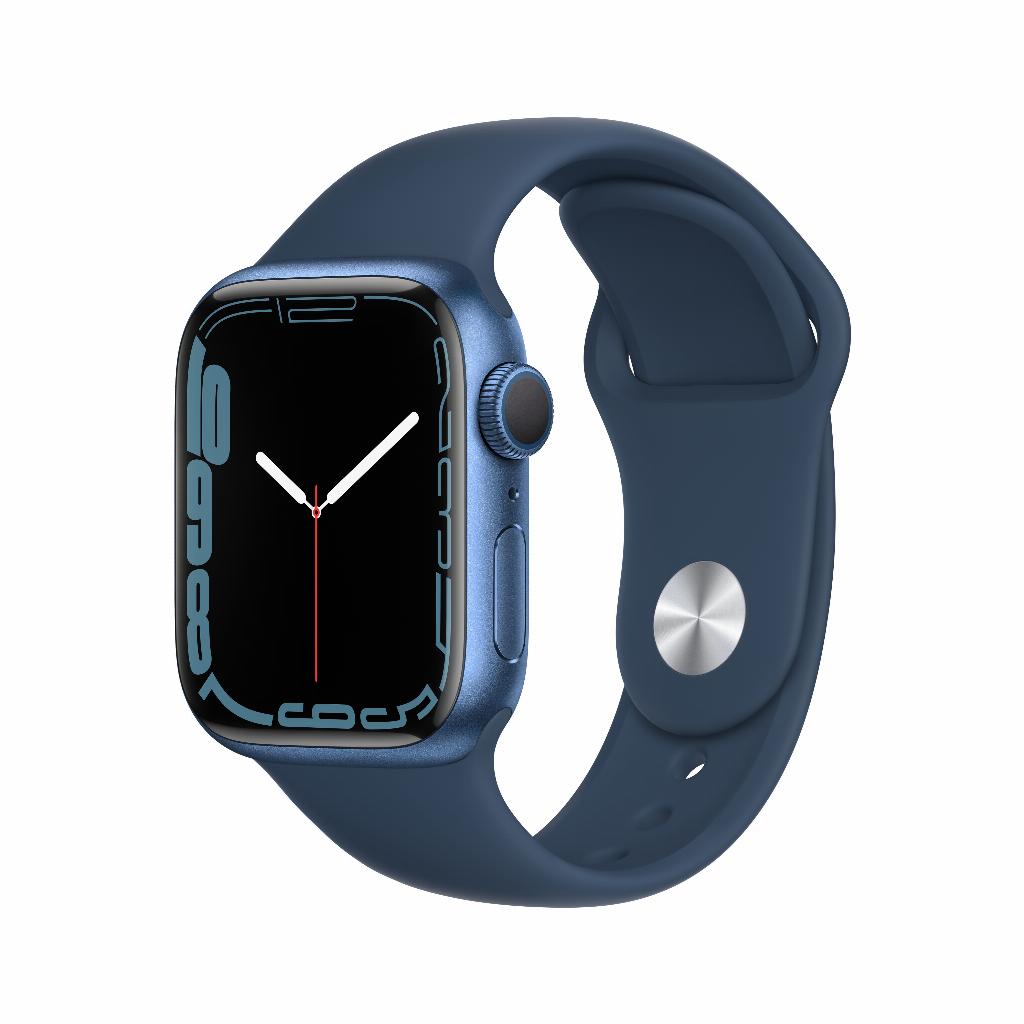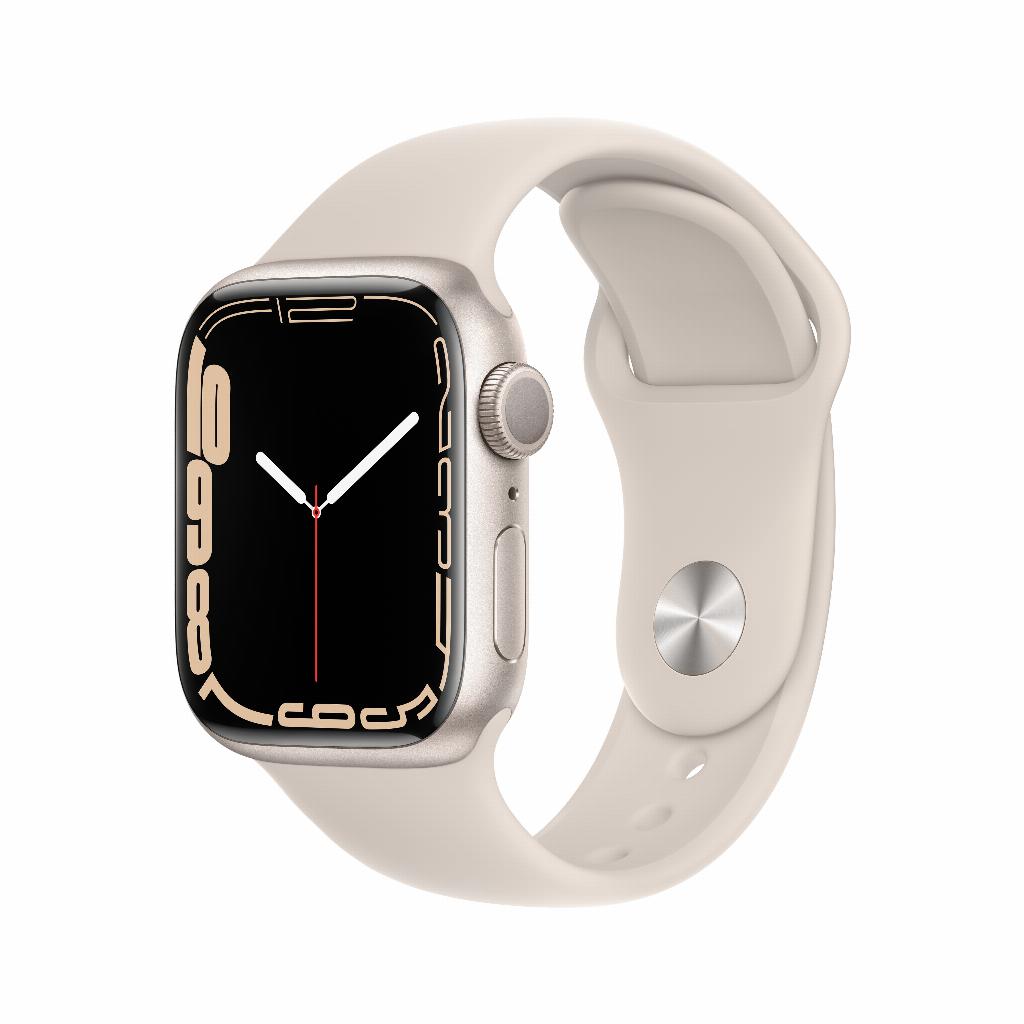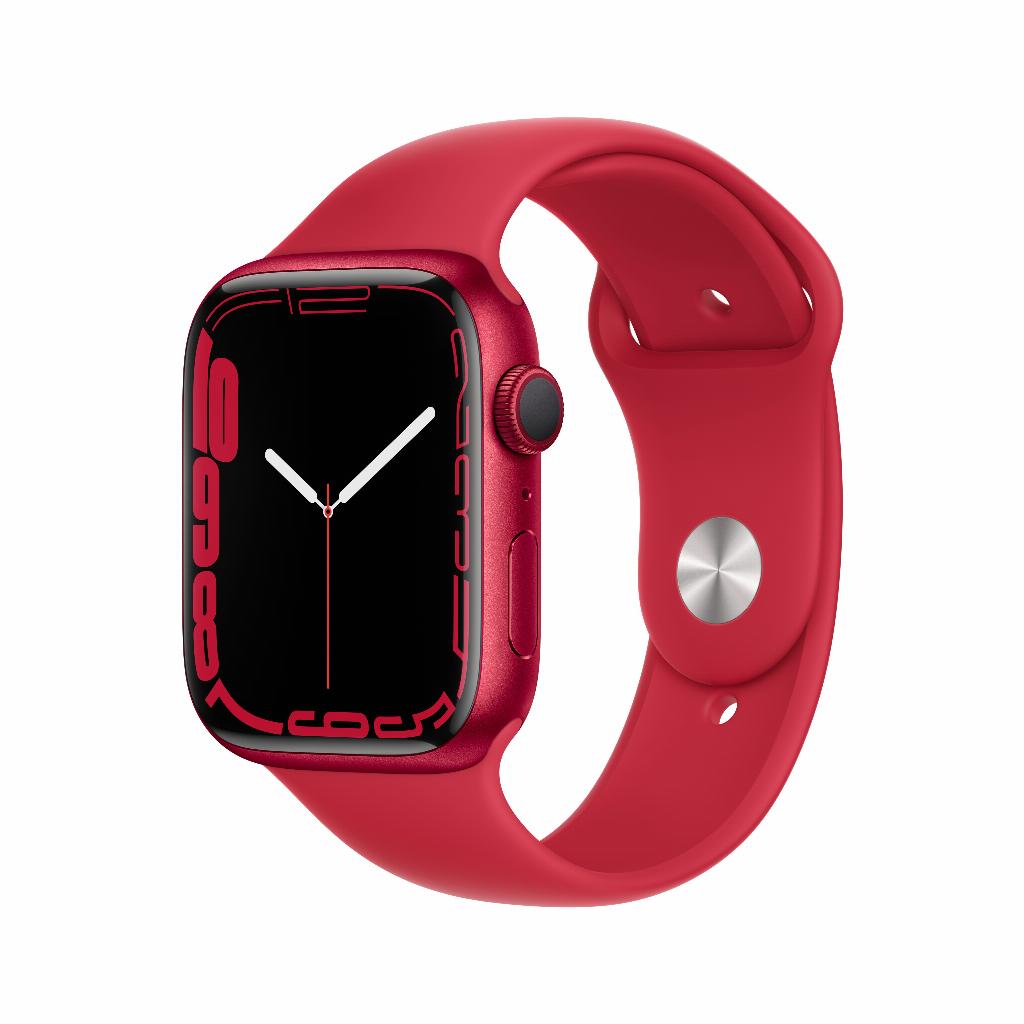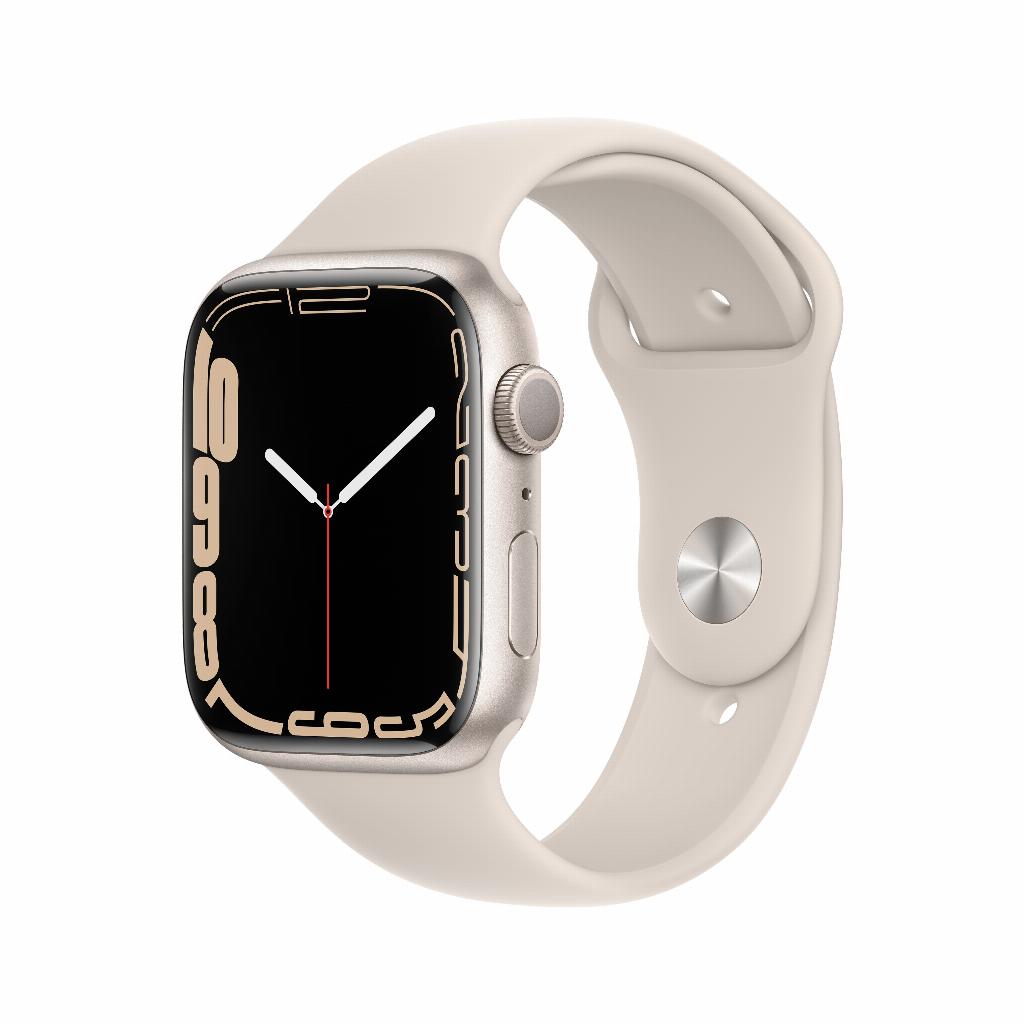

Why a refurbished Apple Watch is the smart choice
You want an Apple Watch. Understandable. But those prices? Seriously? A new Apple Watch will easily set you back €400 to €900. Then you have two options: save up until you drop or skip your turn. Right? No. There's a third option that no one's talking about.
Refurbished Apple Watches aren't the second-rate junk you might think they are. In fact, most people can't even tell the difference between them and new. And yet, you can save up to 40% . And here's the crazy thing: some refurbished models perform better than brand-new ones. How does that work? It all has to do with how they're refurbished. And with what happens during that refurbishment that no one tells you about.
Useful links
The price difference that no one expects
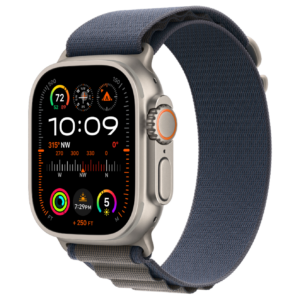
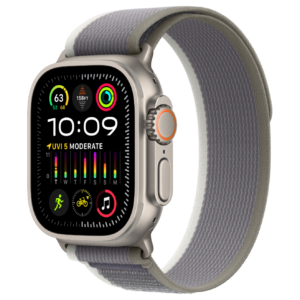
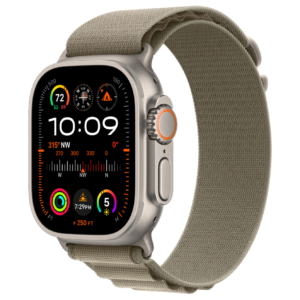
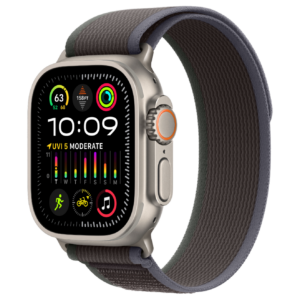
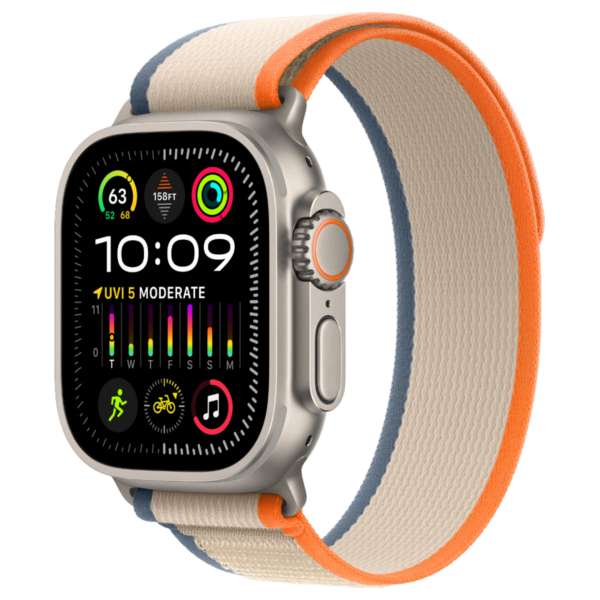
A new Apple Watch Series 9 will cost you at least €449. For the Ultra, you'll even pay up to €899. But here's where it gets interesting: the exact same refurbished model costs between €269 and €539. That's literally hundreds of euros less. And no, you're not getting an inferior product. You're getting a fully refurbished watch that's been through at least 30 tests.
What many people don't know: refurbished Apple Watches are often returned within the first 14 days. Not because of defects, but because people change their minds. These watches are practically new, but they sell for 30-40% less. It's actually quite bizarre when you think about it.
Why refurbished models sometimes perform better
This sounds contradictory, but it's true. During the refurbishment process, all components are tested. Software is reinstalled. The battery is checked and replaced if necessary. Any minor production errors that Apple overlooked? Those are now being resolved.
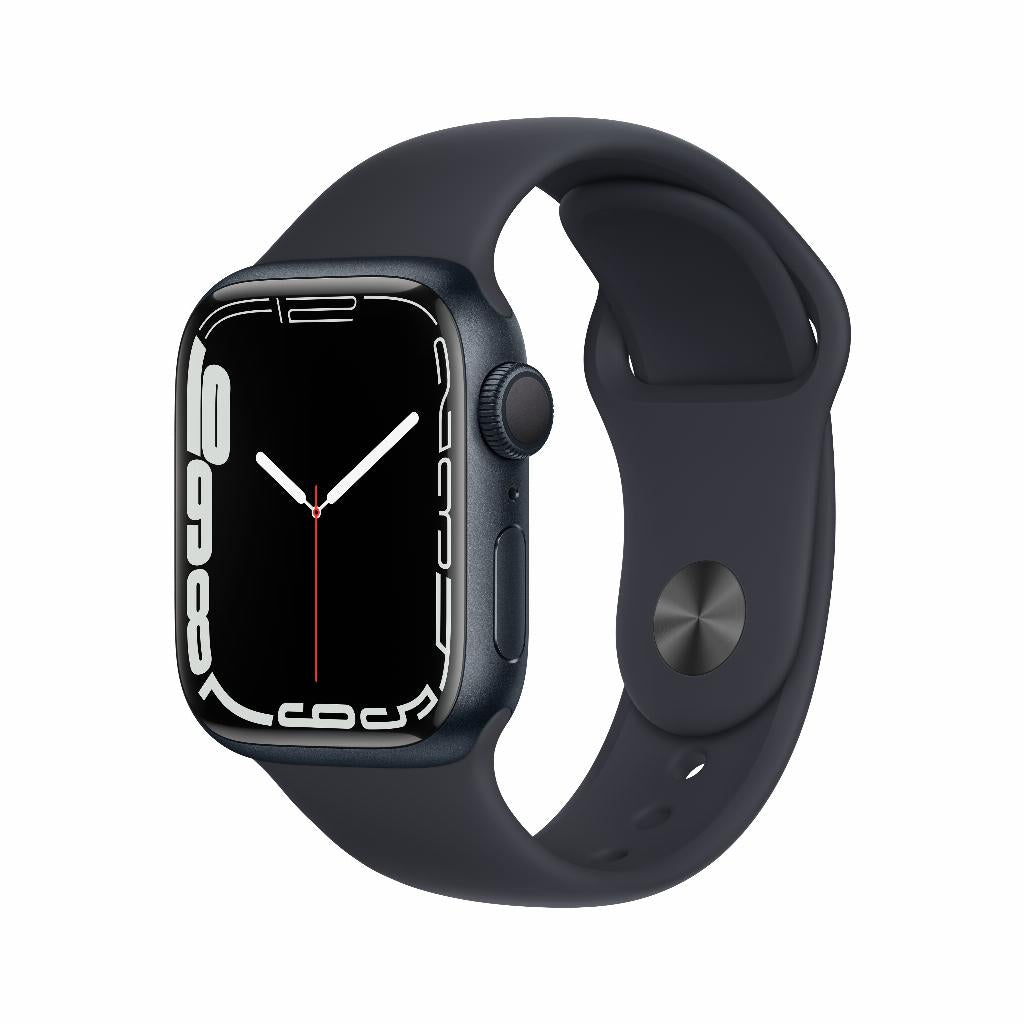
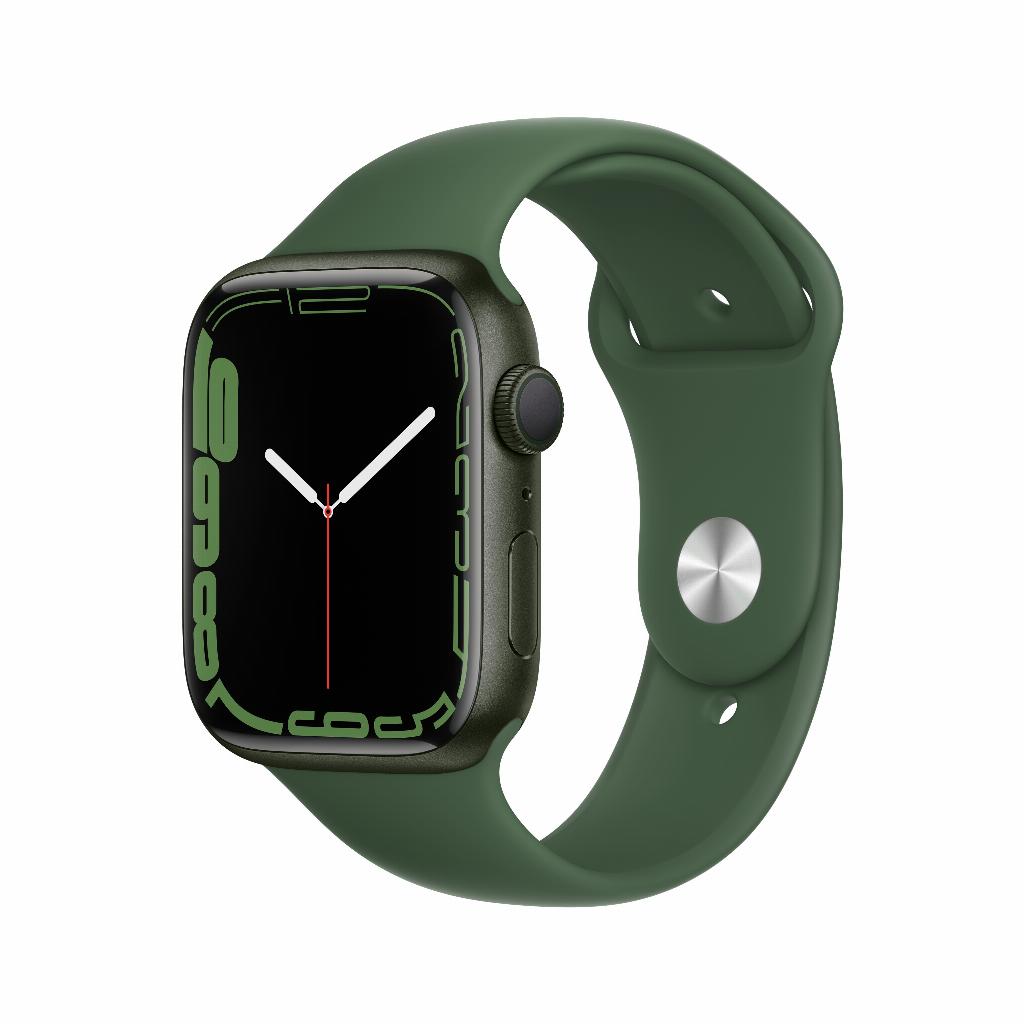
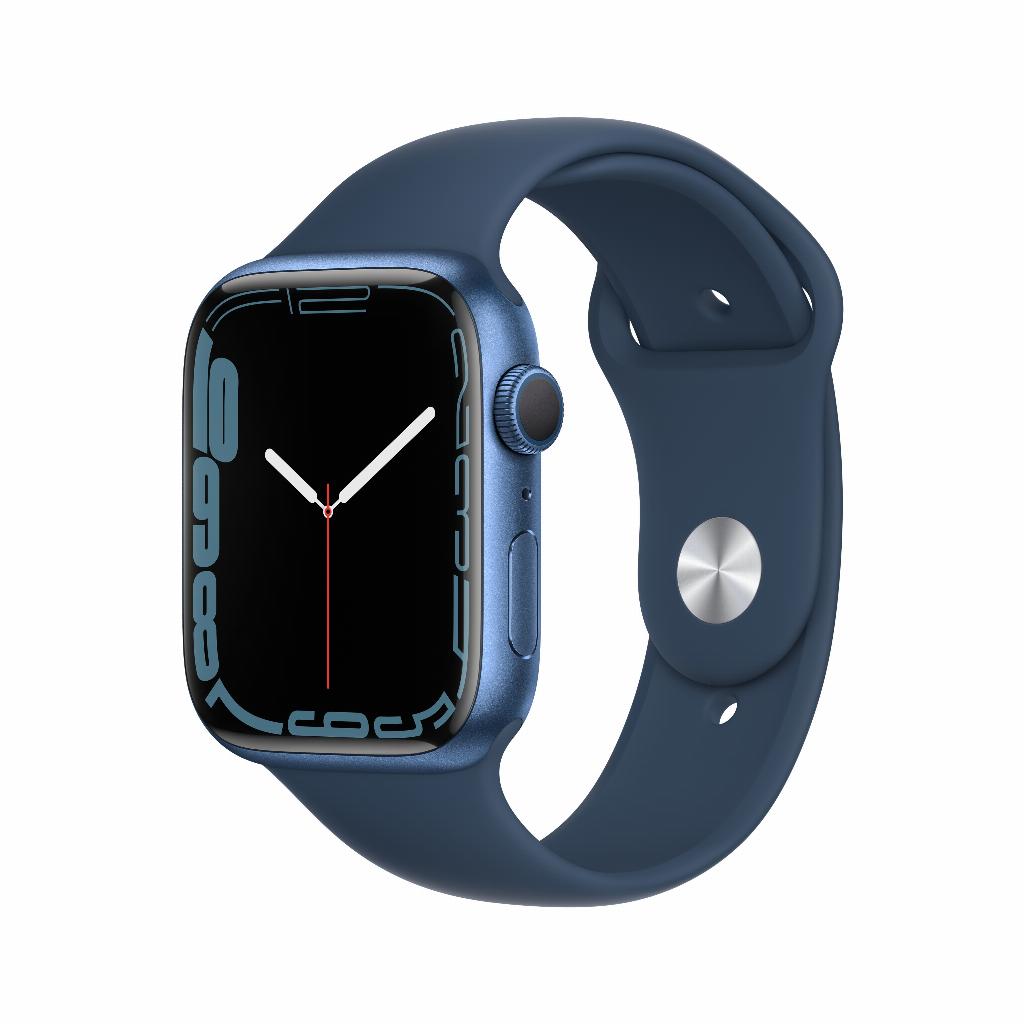
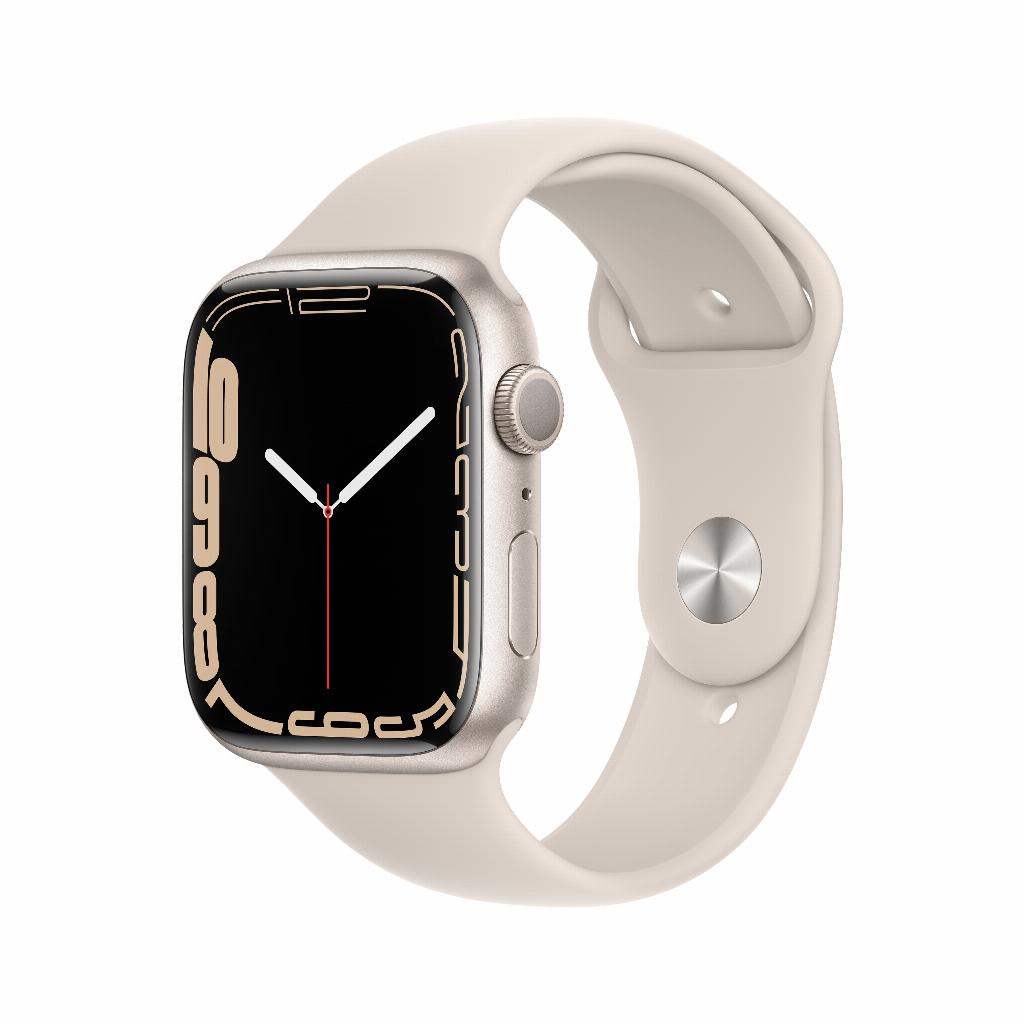
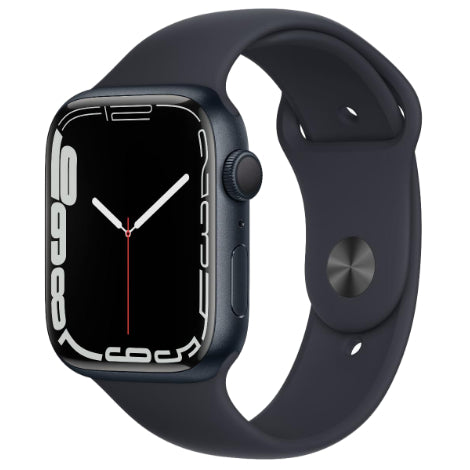
Take the Apple Watch Series 7, for example. Some new models had issues with the heart rate sensor. With refurbished models, this was checked and resolved as standard. So you're essentially getting a watch that's been more thoroughly tested than what comes from the factory.
The battery myths debunked
The biggest fear with refurbished? The battery. And rightly so, because no one wants to charge halfway through the day. But here's what no one tells you: professional refurbishers replace batteries that are below 85% capacity. That means you often get a battery that performs better than your friend's "new" Apple Watch from last year.
Which model suits your use?
The choice of models is overwhelming. Series 9, SE, Ultra—where do you start? The answer is simpler than you think:
For the sports fanatic
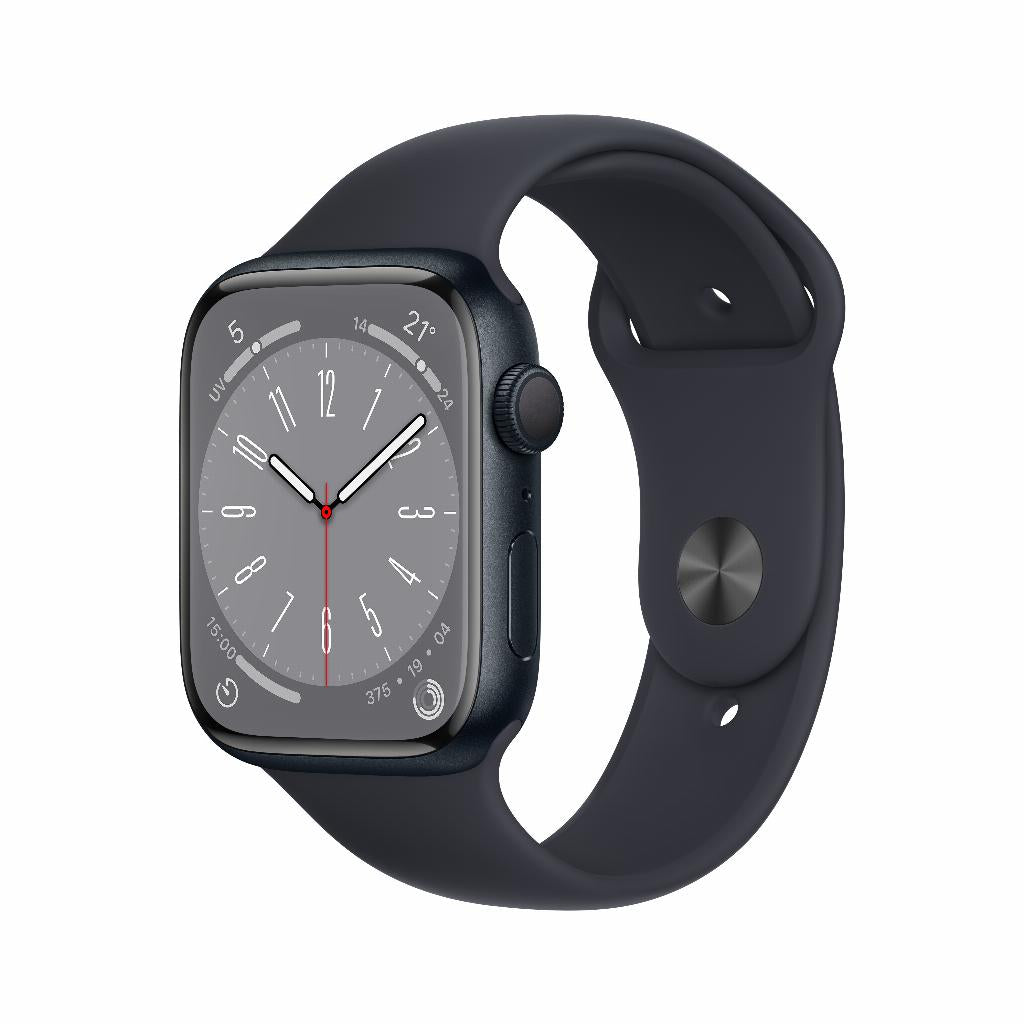
The refurbished Series 7 or 8 is perfect. You get all the fitness features, heart rate monitoring, GPS, and water resistance. The Ultra is overkill unless you're into truly extreme sports. With the money you save, you can buy better sportswear.
For daily use
The refurbished SE (2nd generation) is the sweet spot. All the essential features, no unnecessary bells and whistles. Perfect for notifications, activity tracking, and Apple Pay. It costs around €200 refurbished.
For the tech enthusiast
Series 9 refurbished. You get the latest and greatest, including the double-tap function and more accurate Siri. But let's be honest: do you really use all those features?
The guarantee no one talks about
A new Apple Watch comes with a one-year warranty. Logical, you might think. But many refurbished sellers also offer a warranty. Sometimes even two years. The difference? If something goes wrong with a refurbished model, it's often resolved more quickly because the seller is more directly involved.
And here's the best part: you can also purchase Apple Care+ on a refurbished Apple Watch. As long as the device is activated within 60 days. So, you get exactly the same level of security.
When do you buy new?
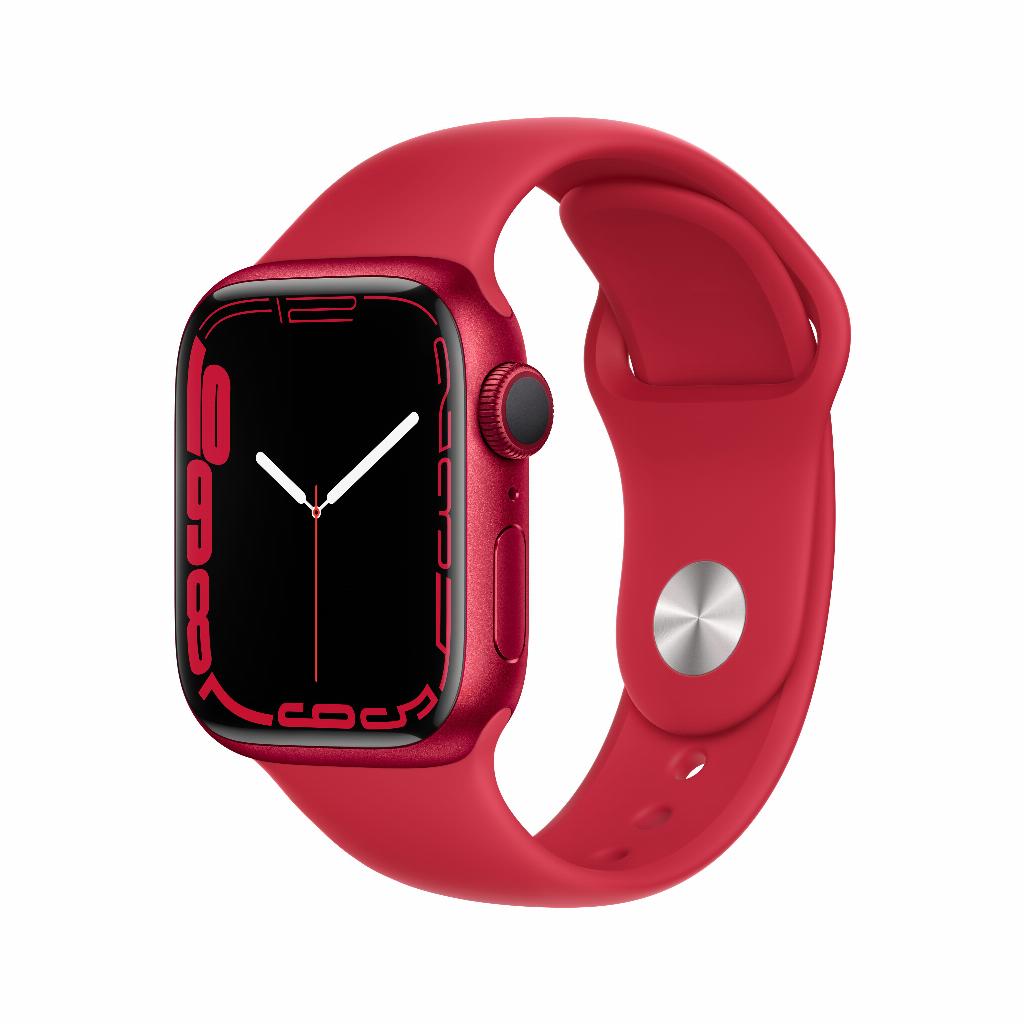
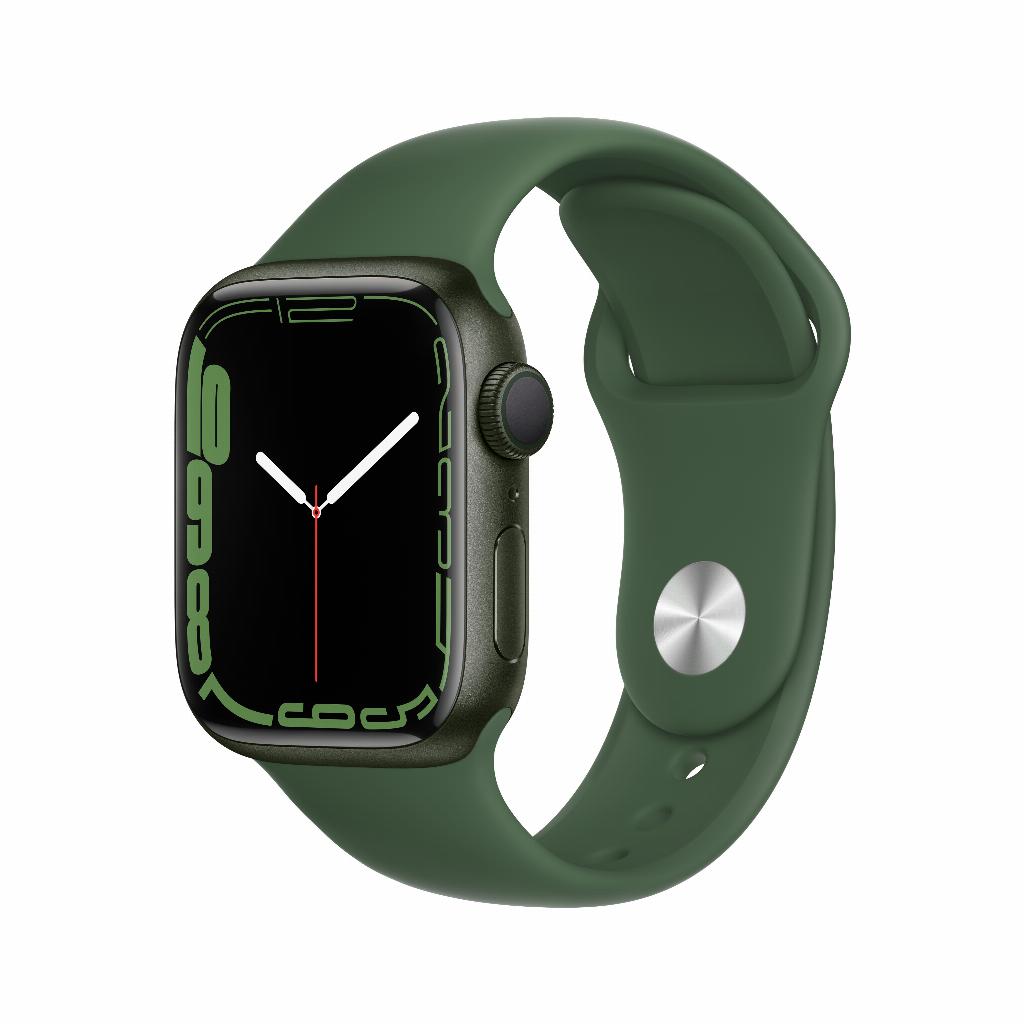
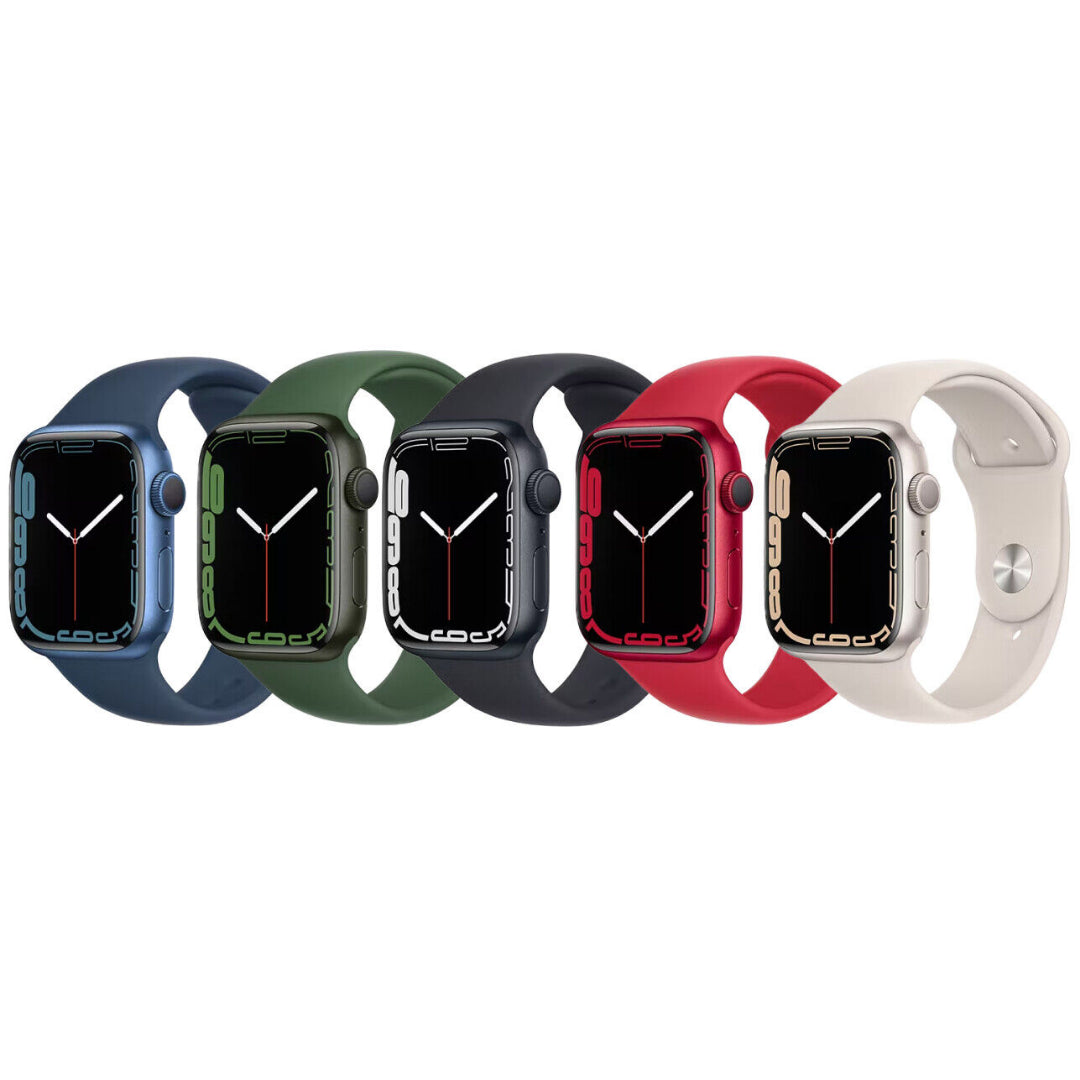
Let's face it: sometimes buying new makes sense. If you want the very latest model on release day. Or if you're looking for a specific color or strap combination that isn't available refurbished. But for 90% of users? Refurbished is simply smarter.
The availability of refurbished models peaks three to six months after a new release. That's when early adopters switch to the latest model. Perfect timing for you to grab one.
The environmental argument (without the sermon)
You don't just save money. A refurbished Apple Watch means one less new device to produce. That saves raw materials, energy, and transport. But more importantly for you: it's the exact same experience for less money.
The packaging is usually simpler. No fancy Apple box. But you don't buy a watch for the box, do you? It's what's inside that counts. And that's identical to new, only tested, refurbished, and ready for years of use.
Practical buying tips
Timing is everything. The best deals are found just before Apple announces a new model (usually in September). That's when sellers want to sell their inventory. Also interesting: January, when people resell their Christmas gifts.
Always check the watchOS version. Older models don't always support the latest software. A Series 5 or newer is a safe bet for years to come.
Note the difference between GPS and cellular models. Cellular sounds convenient, but ask yourself: are you really going out without a phone? For most people, GPS is sufficient and saves you another €100.
The bottom line
Buying a refurbished Apple Watch isn't a compromise. It's a smart choice. You get the same product, often better tested, with a warranty, for significantly less money. The only thing you lose is your ego if you value "brand new." But you'll quickly get used to it once you see what else you can do with that savings.
The smart financial choice
The choice is actually simple. You can pay between €449 and €899 for a new Apple Watch, or you can opt for a refurbished model that 's been thoroughly tested , comes with a warranty, and is up to 40% cheaper. You won't see the difference on your wrist, only in your wallet.
And those hundreds of euros you have left over? You can spend them on more useful things. Or just save them. Because being smart about money never goes out of style.