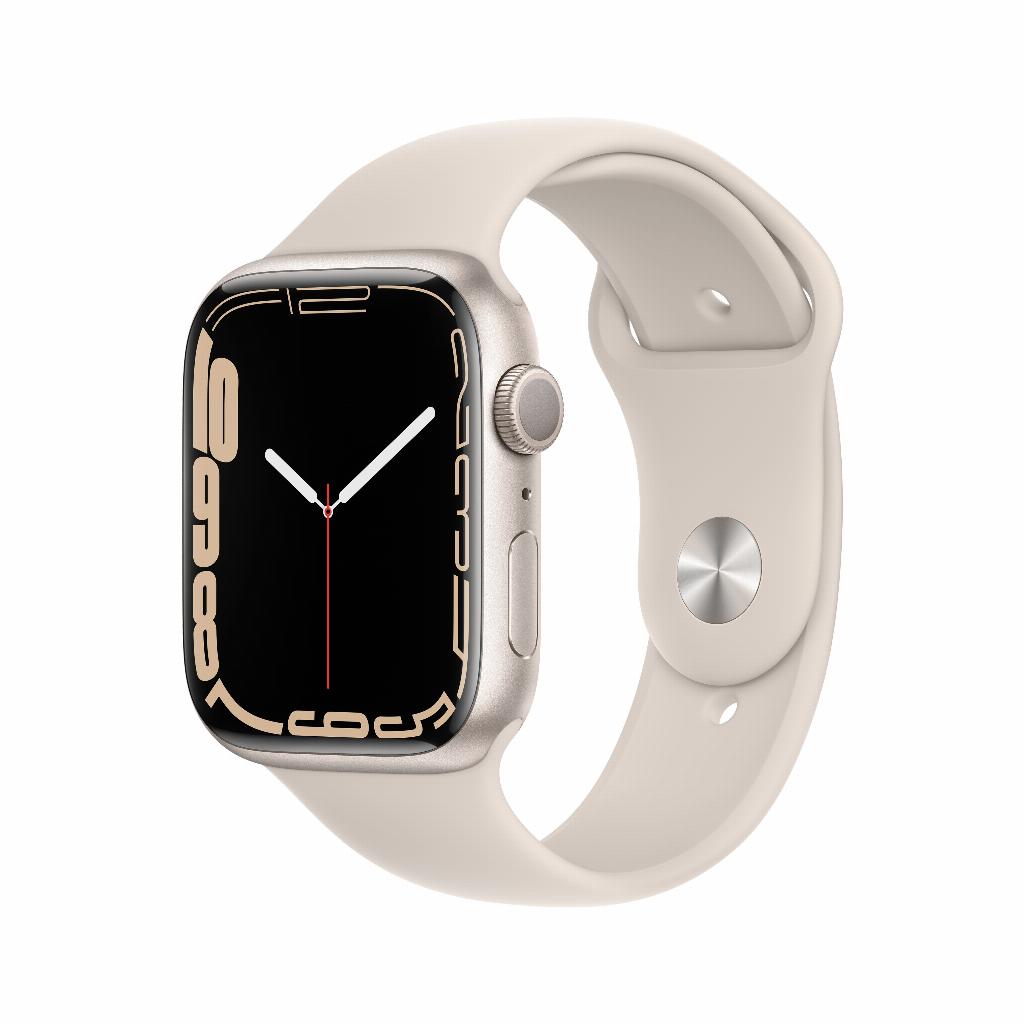

Which Apple Watch is right for you?
New model. Older generation. Affordable version. Choosing an Apple Watch seems simple, but it quickly becomes a headache. Series 1 through 6, plus an SE version – each with its own features, price points, and promises. You scroll through specs, compare displays, and wonder if that ECG function is really necessary.
Yet choosing the right Apple Watch generation isn't as complicated as manufacturers would have you believe. Because here's what no one tells you: most users only use a fraction of all the available features . That shiny top-of-the-line model with a blood oxygen monitor? That Series 4 with the big screen? Or just that reliable Series 3? The best choice doesn't depend on what's the latest, but on what you'll actually use. Let's skip the marketing talk and look at what really matters.
Useful links
In this article, we'll discuss the different generations of the Apple Watch and their variants. Over the years, Apple has released several generations of its smartwatch, each with unique improvements and features. We'll take you through all the models, from the very first version to the latest versions.
Apple Watch Series 1: The Beginning of a Revolution
The first-generation Apple Watch was released in April 2015, marking Apple's entry into the wearables market. This original model was available in two sizes:
- Apple Watch (38mm) - compact size for smaller wrists
- Apple Watch (42mm) - larger screen for better readability
Although this model is now outdated, it laid the foundation for all future generations. The first version offered basic features like activity tracking, heart rate monitoring, and notifications. For everyday use, the battery life was around 18 hours—a standard Apple maintains to this day.
Apple Watch Series 2: Water Resistant and Independent
The Apple Watch Series 2 arrived in September 2016 with two major improvements: water resistance up to 50 meters and built-in GPS. These additions made the watch suitable for swimmers and runners who wanted to train without a phone.
- Apple Watch Series 2 (38mm) - improved processor S2
- Apple Watch Series 2 (42mm) - brighter display of 1000 nits
The brighter screen made the device easier to read in bright sunlight. The S2 chip delivered faster app performance and smoother system navigation.
Apple Watch Series 3: Mobile freedom
The Apple Watch Series 3 , released in September 2017, introduced a groundbreaking feature: cellular connectivity. For the first time, users could make calls, send messages, and stream music without their iPhone nearby.
- Apple Watch Series 3 (38mm) - GPS version and GPS + Cellular variant
- Apple Watch Series 3 (42mm) - Barometric altimeter for counting stairs
This model remains popular as an entry-level model due to its relatively low price. The Series 3 still supports recent watchOS updates, although some new features are missing.
Apple Watch Series 4: Health at the heart
The Apple Watch Series 4, released in September 2018, represented a major leap forward. The screen was significantly larger without significantly increasing the thickness of the casing. The revolutionary ECG function enabled heart monitoring.
- Apple Watch Series 4 (40mm) – 30% larger screen area than 38mm
- Apple Watch Series 4 (44mm) - Fall Detection for Seniors
The S4 chip, with its 64-bit dual-core processor, delivered twice the performance of its predecessor. The speaker was 50% louder, making phone calls through the watch more practical.
Apple Watch Series 5: Always visible
The Apple Watch Series 5 , released in September 2019, added the long-awaited always-on display. The screen stays on constantly, automatically adjusting its brightness to save battery life.
- Apple Watch Series 5 (40mm) - built-in compass for navigation
- Apple Watch Series 5 (44mm) - International Emergency Calling without a SIM Card
The addition of 32GB of storage (double the amount of previous models) created room for more music, podcasts, and apps. The titanium and ceramic versions offered premium alternatives to the standard aluminum models.
Apple Watch SE: The golden mean
The Apple Watch SE was released in September 2020 as an affordable alternative. This model combines essential features with an attractive price.
- Apple Watch SE (40mm) - S5 chip for smooth performance
- Apple Watch SE (44mm) - Fall Detection and Emergency Notifications
What's missing? The always-on display, ECG function, and blood oxygen monitoring. For users who don't need these premium features, the SE offers excellent value. It shares the same processor as the Series 5, which makes apps load quickly and the interface feel smooth.
Apple Watch Series 6: Complete health tracker
The Apple Watch Series 6 , released in September 2020, added blood oxygen monitoring to its arsenal of health features. The new S6 chip is 20% faster than its predecessor.
- Apple Watch Series 6 (40mm) - charges in 90 minutes
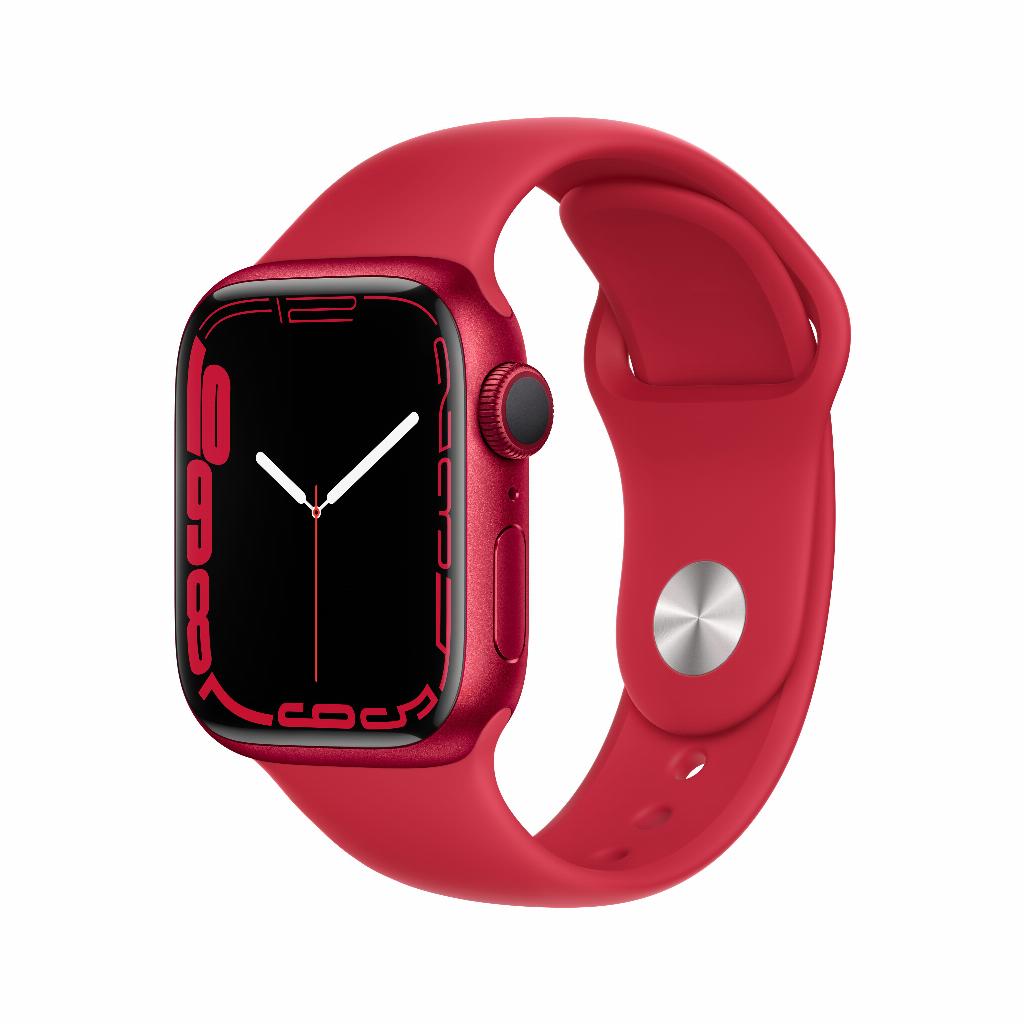
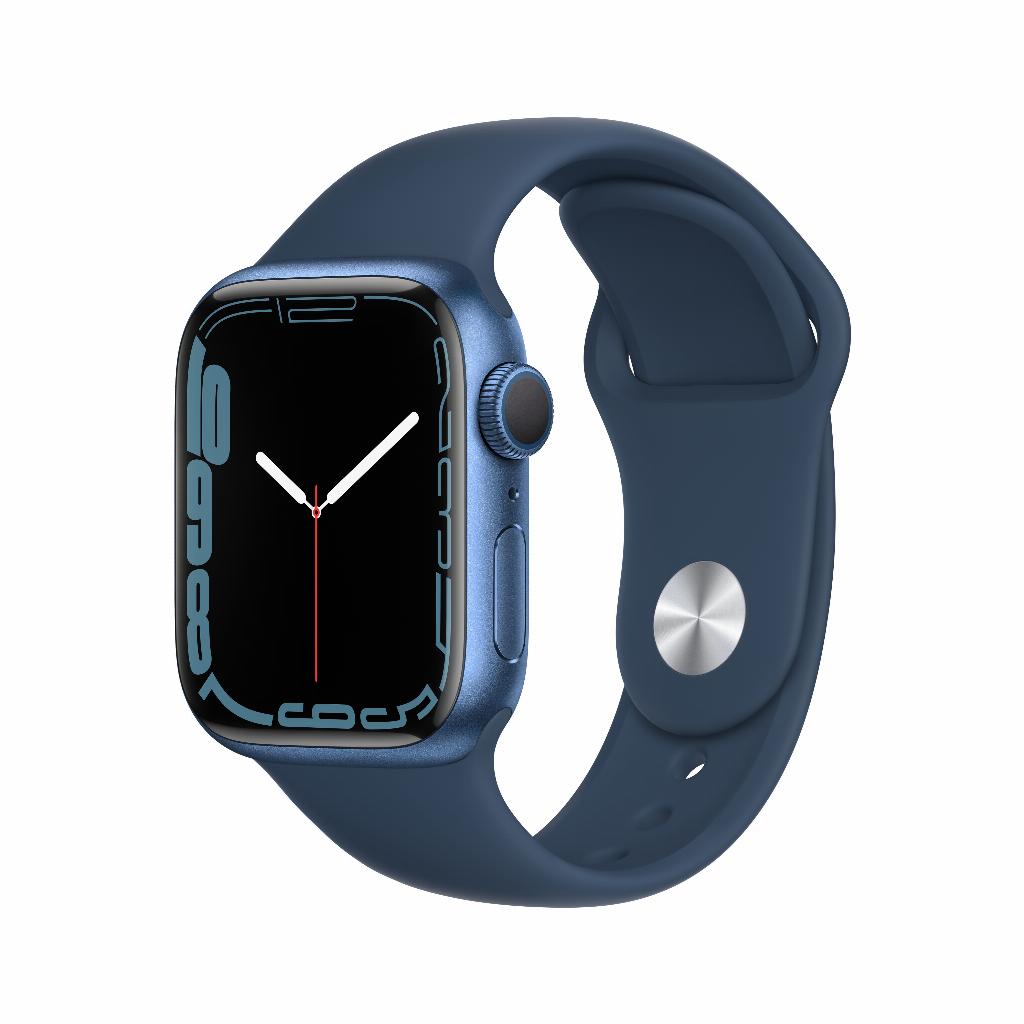
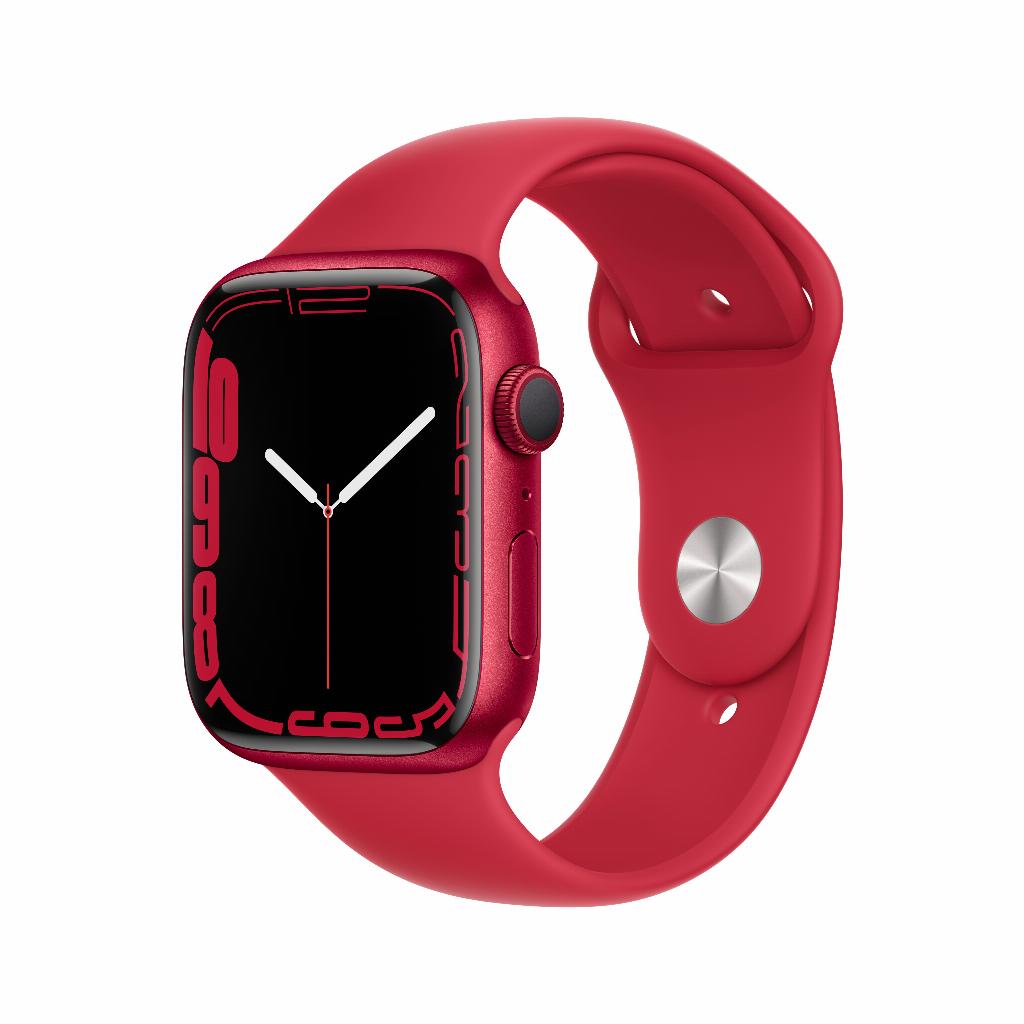
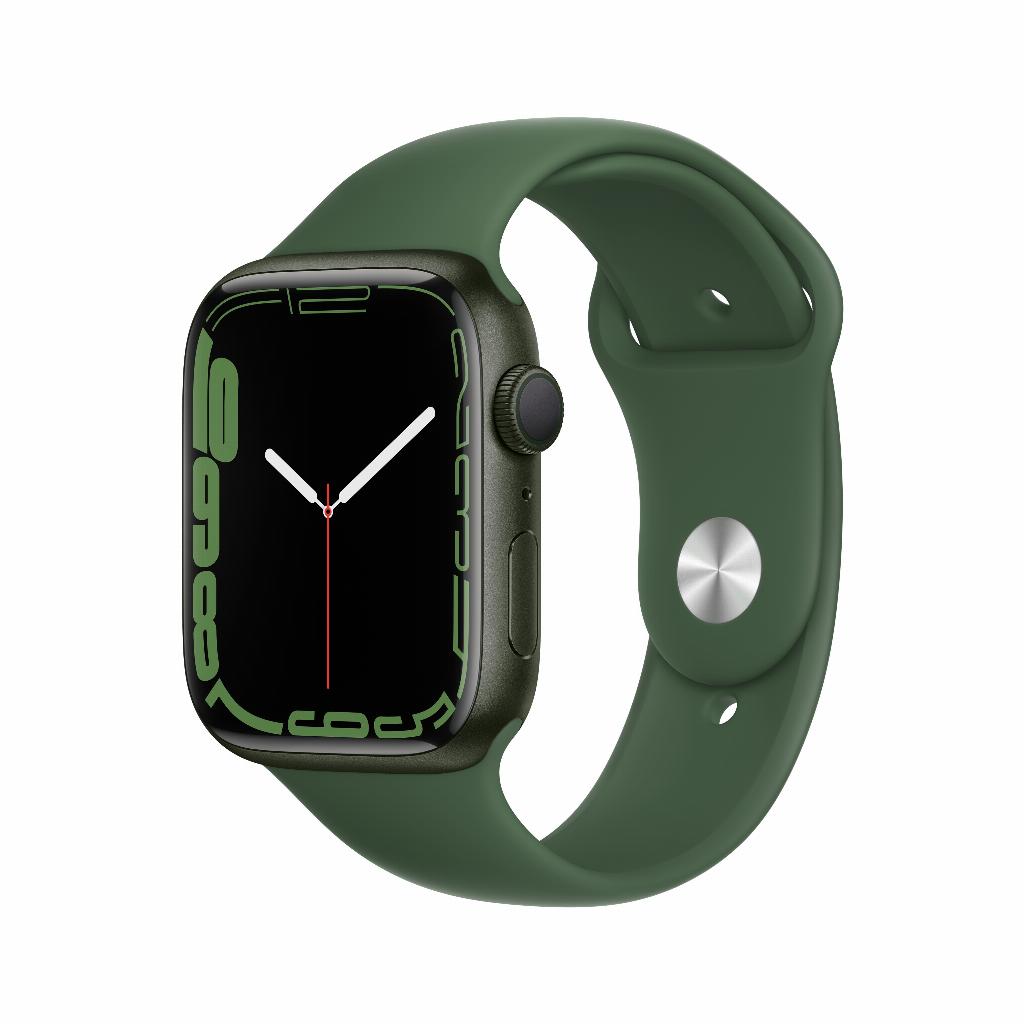
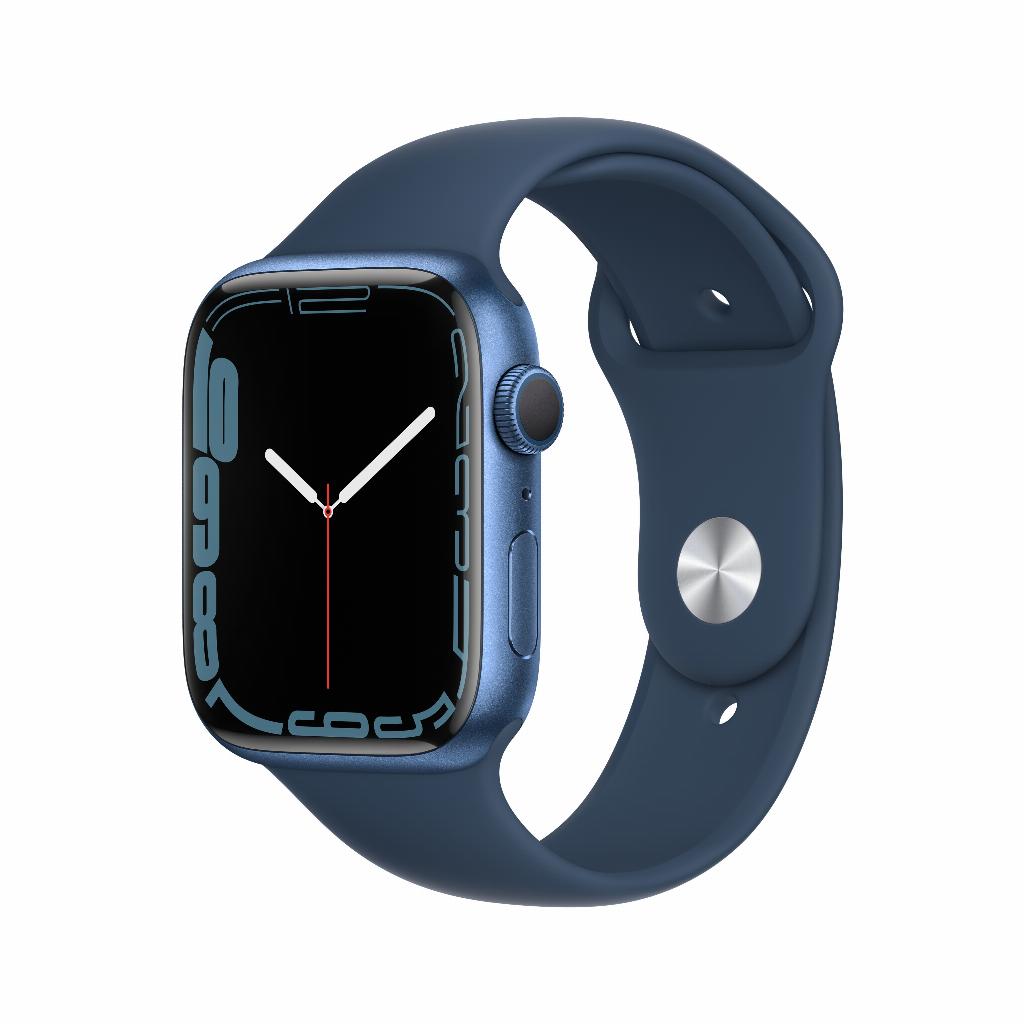
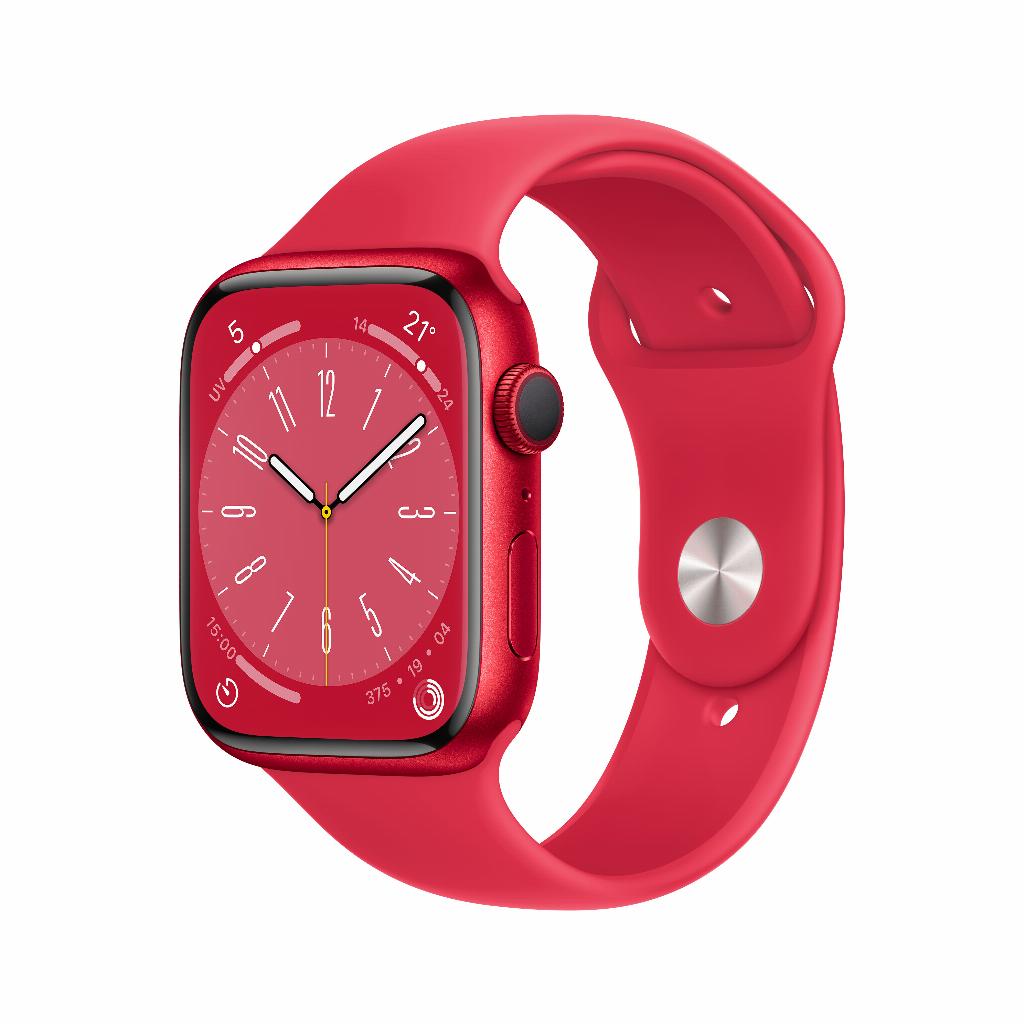
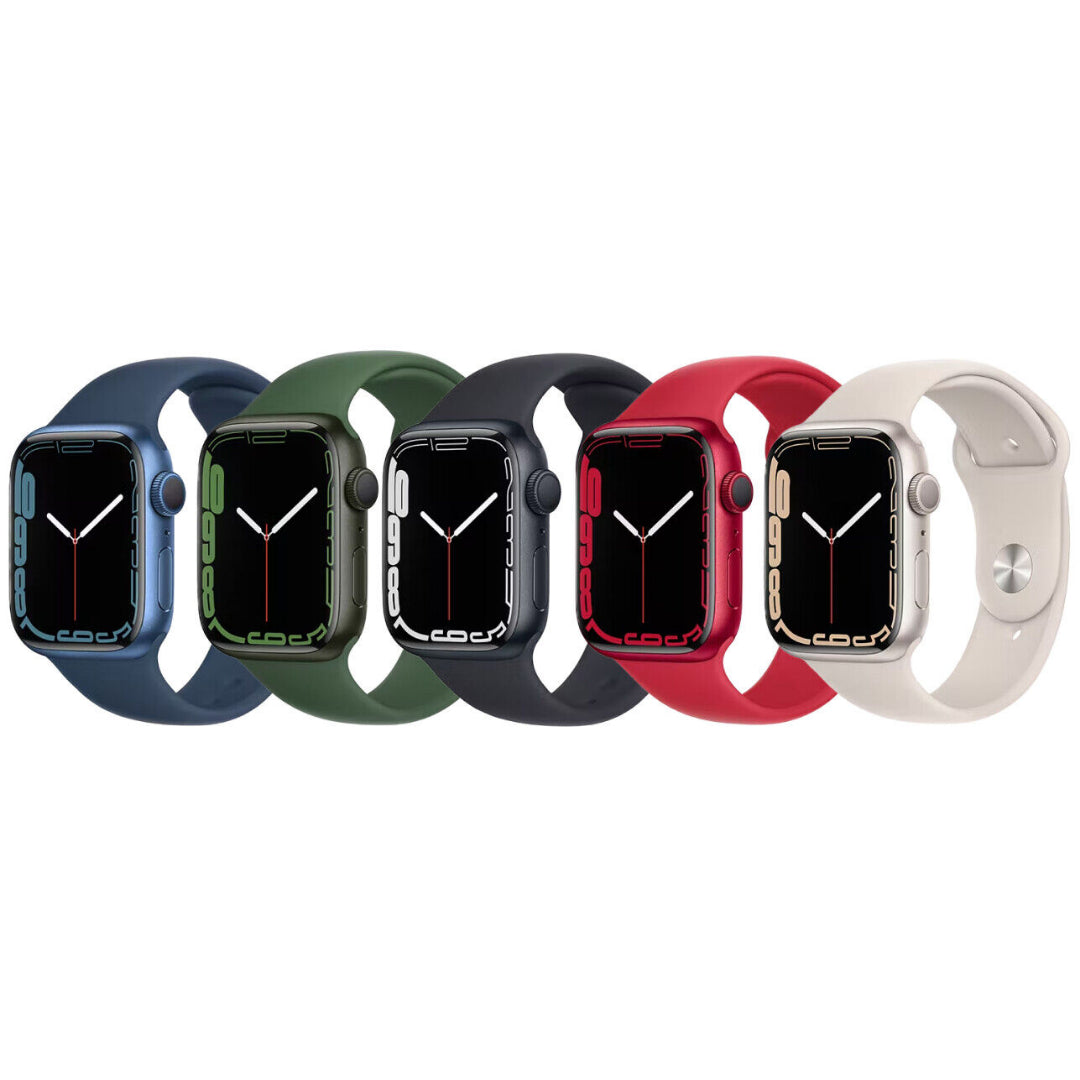
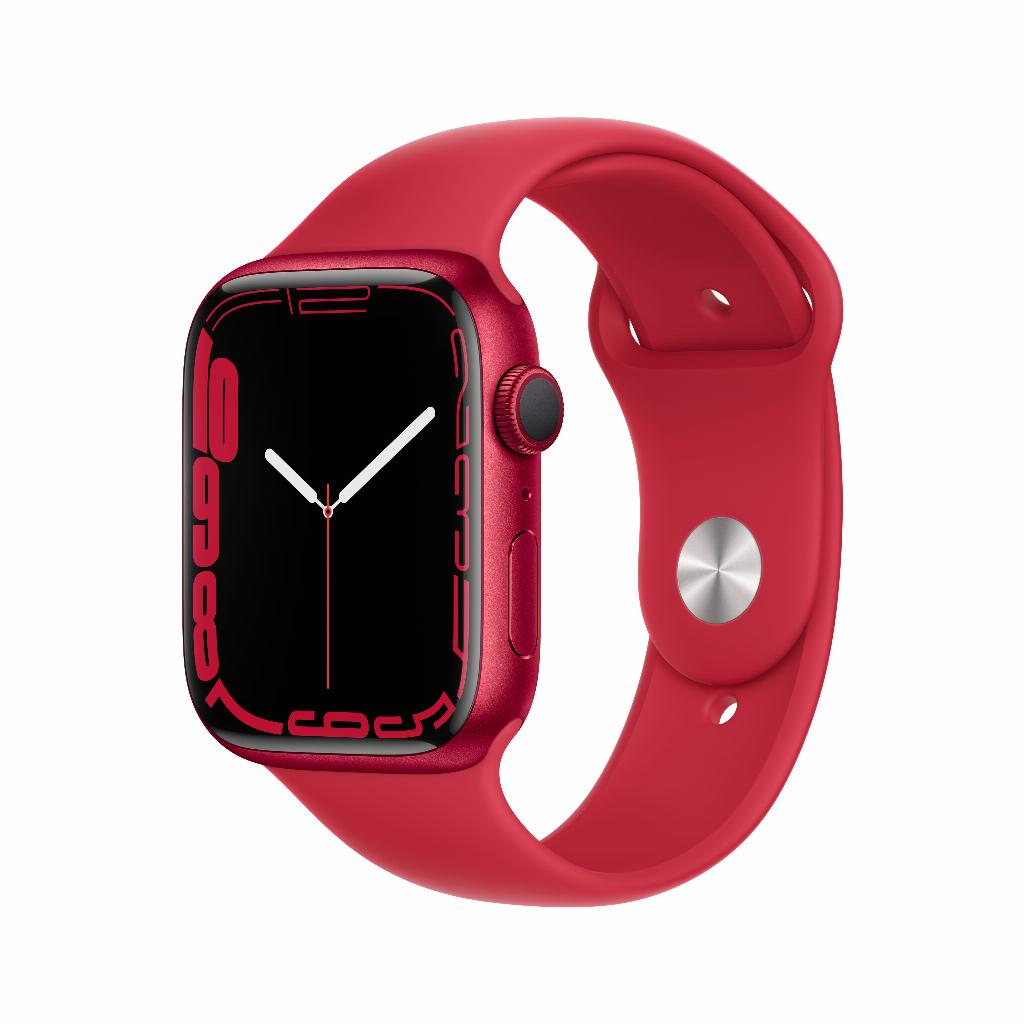
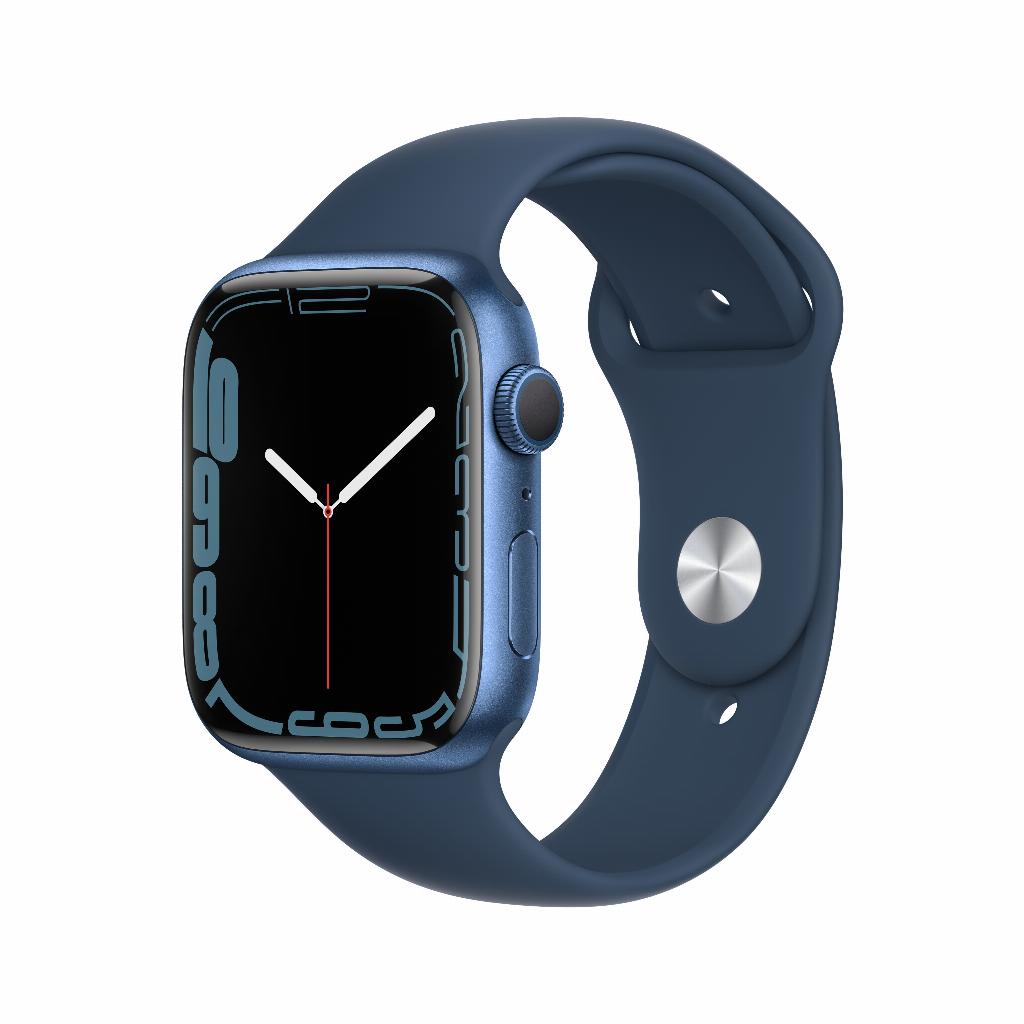
- Apple Watch Series 6 (44mm) - new colors like blue and red
The altimeter now works in real time, making elevation changes instantly visible during hikes or bike rides. The improved always-on display is 2.5 times brighter outdoors without draining your battery.
Which generation suits your use?
Choosing a specific generation depends heavily on your priorities. Athletes who enjoy swimming will appreciate the water resistance from Series 2 onwards. Runners without a phone will want at least Series 3 with cellular connectivity. Health monitoring gets serious from Series 4 onwards, with the ECG function.
For everyday use, an older model is often perfectly sufficient. The Series 3 remains a solid choice for notifications, activity tracking, and basic features. The SE model offers modern performance without the premium price tag. The latest models are especially interesting for users who want to utilize all the health features.
Important to know: All models from Series 3 onwards still support software updates. This means access to new watch faces, workout types, and improvements. Battery life remains consistent at around 18 hours of typical use across all generations, although newer models are more energy-efficient during workouts.
The right choice for your situation
There's no such thing as the perfect Apple Watch – but there is a perfect match for your situation . Swimmers go for at least a Series 2, runners without a phone grab a Series 3 with cellular connectivity, and health enthusiasts opt for ECG monitoring from Series 4 onwards. For most, an SE or older model is perfectly sufficient.
That blood oxygen monitor and altimeter? Great for the complete package, but not a deal-breaker for everyday use. Choose what suits your budget and needs , not what the marketing machine tells you to do.